• Park Home Versus Regular Home Insurance

    Park Home Versus Regular Home Insurance

    This article was published on 12 Jan 2026. At the time of publishing, this article was true and accurate, however, over time this may have changed. Some links may no longer work. If you have any concerns about this please contact us.

    Park home insurance: key differences from standard home cover

    Thinking about buying a park home or already living in one? If so, it’s important to understand how park home insurance differs from conventional home insurance to ensure you have the right protection.

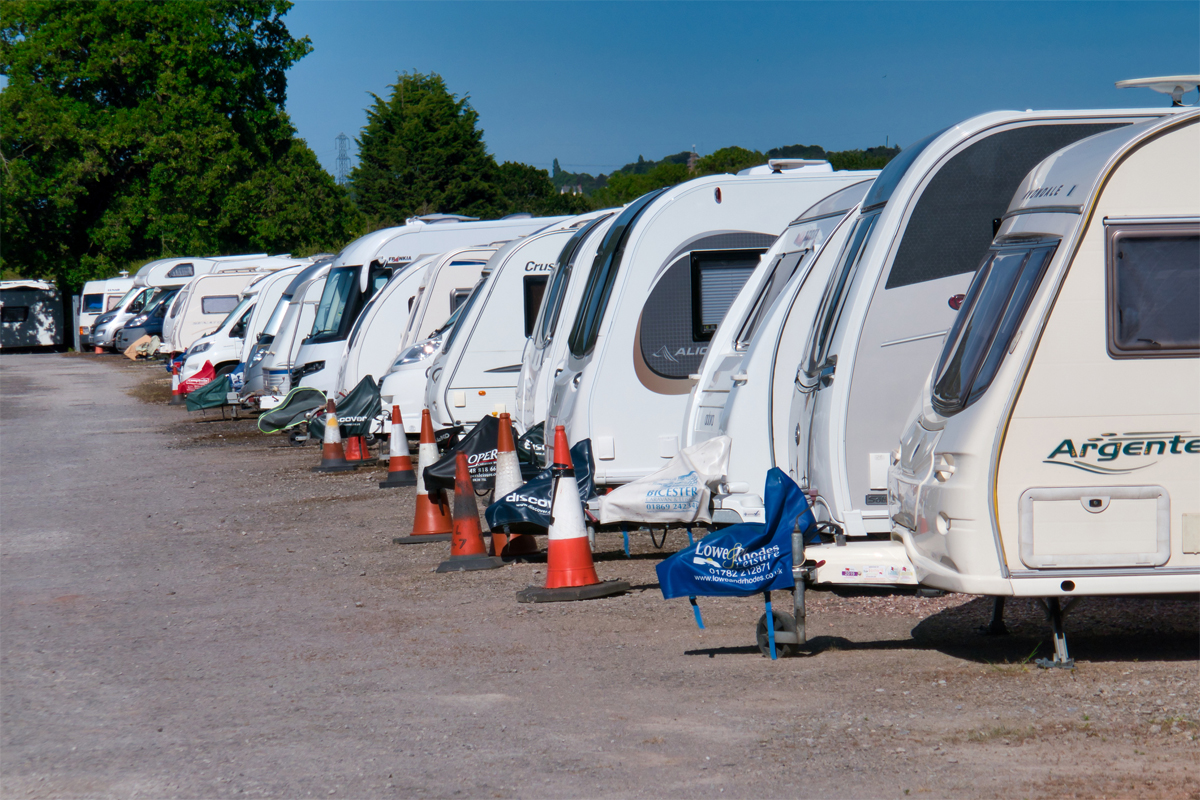
    Park homes, also known as mobile homes, have unique characteristics that require specialist insurance coverage. Getting the right policy is essential for protecting your investment and belongings.

    Understanding park homes

    Park homes are factory-built structures designed as permanent or semi-permanent residences on designated park sites. Unlike conventional houses, they aren’t constructed on permanent foundations but are transported to site after manufacturing.

    Typically, residents own the home itself but rent the plot through an agreement with the site owner. This arrangement creates distinct legal and insurance requirements compared to traditional homeownership.

    Construction differences matter

    Park homes are built to British Standard BS 3632, which differs significantly from conventional building regulations. They feature lighter construction using timber frames with external cladding, sitting on concrete pads or steel chassis rather than deep foundations.

    This construction makes them more vulnerable to certain weather conditions, particularly strong winds and flooding, but less susceptible to issues like subsidence that can affect traditional homes.

    Coverage distinctions

    Standard home insurance clearly separates buildings from contents, but park homes blur these boundaries. Items normally considered contents in traditional homes (such as furniture and appliances) are often classified as part of the structure because they’re typically included when the home is manufactured.

    Park home policies frequently cover additional items like access steps, ramps, and external skirting that wouldn’t be included in standard home insurance but are essential components of park home living.

    Site considerations

    Park home sites feature communal areas, shared facilities, and specific maintenance rules that influence insurance requirements. Site management typically maintains communal spaces and infrastructure, affecting liability considerations.

    The park’s location, management quality, and security measures significantly impact premiums. Well-managed sites with good flood defences and security typically qualify for better rates.

    Legal framework

    The Mobile Homes Act 1983 provides specific resident protections, though these don’t extend to insurance coverage. Since residents don’t own the land, building insurance requirements differ from traditional property ownership.

    Site licences and planning permissions can affect your ability to rebuild after damage, which insurers must consider when providing cover.

    Cost factors

    Premiums reflect unique factors including home age, construction materials, site location, and the park’s risk profile. Older homes may face higher costs due to outdated construction methods, while well-maintained parks typically enjoy lower premiums.

    Choosing appropriate cover

    Select insurers experienced with park home requirements. Specialist providers understand the unique risks and offer comprehensive coverage tailored to park home living.

    Ensure your policy clearly defines buildings versus contents coverage and includes appropriate protection for site-specific risks and park home features.

    Looking for Residential Park Home Insurance?

    Forces Mutual are pleased to introduce Compass Insurance who are a specialist provider of holiday caravan and residential park home insurance, with over 45 years’ experience, so they can help you find the right cover for you.

    Compass Insurance is part of the Bspoke Insurance Group Ltd, which also includes Forces Mutual, so you know you’re in safe hands.

    You can get a quote here: Caravan Insurance – Forces Mutual

  • Start the Year Strong: Why now could be the time to review your mortgage

    Start the Year Strong: Why now could be the time to review your mortgage

    This article was published on 7 January 2026. At the time of publishing, this article was true and accurate, however, over time this may have changed. Some links may no longer work. If you have any concerns about this please contact us.

    The New Year is all about fresh starts, whether that means preparing for your next posting, improving financial security for your family, or planning ahead for life after service. If your mortgage deal is due to end soon or you’re considering a move in 2026, now is the ideal time to take action. Acting early can give you access to a broader range of mortgage options and may help you secure a competitive rate. However, please note that mortgage rates can vary and are subject to change.

    Why Acting Early Matters

    Mortgage rates and lender criteria can change quickly. Waiting until your current deal expires could mean paying a higher rate, or missing out on a wider range of mortgage options that may be available earlier. By starting the process early, you can:

    • Avoid costly standard variable rates (SVR) when your deal ends
    • Secure a competitive rate that works for you
    • Plan with confidence, knowing your finances are secure

    What Should You Do Now?

    1. Check your current mortgage deal
      Find out when your fixed or tracker rate ends. If it’s within the next six months, it’s time to start planning
    2. Understand your options
      Whether you’re remortgaging or buying a new home, the right advice could save you money over the life of your mortgage
    3. Get expert guidance
      Navigating the mortgage market alone can be overwhelming, especially with deployments, postings and family commitments. Professional advice can help you make informed decisions without the stress.

    Fee-Free mortgage advice service

    We understand the unique needs of serving and retired Armed Forces personnel and their families. That’s why we’ve teamed up with Grange Mortgage & Protection Services Ltd to offer fee-free mortgage advice, giving you access to:

    • Whole-of-market lenders for the best possible deals
    • Specialist knowledge of military pay structures, allowances, and postings
    • Flexible appointments to fit around your duties and deployments

    You’ll be guided through every step, from comparing rates to securing the right mortgage for your circumstances, all at no extra cost.

    Contact Grange Mortgage & Protection Services Ltd today for fee-free advice and start the year with confidence.

    YOUR HOME MAY BE REPOSSESSED IF YOU DO NOT KEEP UP REPAYMENTS ON YOUR MORTGAGE.

    Find out more here.

    PMGI Limited, trading as Forces Mutual acts as an intermediary for the purposes of introducing its customers to Grange Mortgage & Protection Services Ltd. PMGI Limited is authorised and regulated by the Financial Conduct Authority. Grange Mortgage & Protection Services Ltd is an Appointed Representative of PRIMIS Mortgage Network, a trading name of Advance Mortgage Funding Ltd. Advance Mortgage Funding Ltd is authorised and regulated by the Financial Conduct Authority.

    If you take out a mortgage recommended by Grange Mortgage & Protection Services Ltd, PMGI Limited will receive a fee for the introduction which is a percentage based on the loan amount. We may also earn an additional fee based on performance of our account. If you wish to know the fee we receive please contact Grange Mortgages

  • Preparing for Deployment: Financial and Emotional Planning

    Preparing for Deployment: Financial and Emotional Planning

    This article was published on 29 December 2025. At the time of publishing, this article was true and accurate, however, over time this may have changed. Some links may no longer work. If you have any concerns about this please contact us.

    Deployment can be one of the most challenging parts of military life – not only for serving members, but for their families too. Being well-prepared, both financially and emotionally, can make all the difference. Here’s how to set yourself up for peace of mind before you go.

    Get Your Finances in Order

    Before deployment, it’s important to make sure your financial responsibilities are covered. Start by reviewing your regular payments, savings, and insurance.

    Key steps to take:

    • Set up or update direct debits so bills like rent, utilities, and loans are paid automatically.
    • Create or review a budget to make sure money is set aside for essentials and emergencies.
    • Check your insurance cover – from car insurance to personal accident – to ensure you and your family are protected.

    Forces Mutual offers a range of products designed specifically for the Armed Forces community, helping you stay covered wherever duty takes you.

    Plan for Peace of Mind

    Deployment can bring a mix of emotions – from pride and excitement to anxiety and worry. Preparing emotionally can help ease the transition for everyone involved.

    Tips for emotional readiness:

    • Talk openly with family and friends about your plans and how to stay in touch.
    • Set expectations for communication during deployment – video calls, emails, or letters.
    • Prepare comfort routines such as sending care packages or keeping a diary.
    • Connect with support networks available through your unit or welfare services.

    Stay Protected During Deployment

    When you’re serving overseas, the last thing you need is to worry about what’s happening at home. From healthcare to car cover, having the right protection in place provides reassurance for you and your loved ones.

    Forces Mutual offers specialist products for the Armed Forces community, including Car Insurance and Personal Accident Insurance – all designed with service life in mind.

    Forces Mutual Car Insurance is provided by ERS.

    Personal Accident Insurance is arranged by Motorplus Limited t/a Coplus and underwritten by Astrenska Insurance Limited.

  • Personal Accident Insurance: Why It’s Worth Considering

    Personal Accident Insurance: Why It’s Worth Considering

    This article was published on 22 December 2025. At the time of publishing, this article was true and accurate, however, over time this may have changed. Some links may no longer work. If you have any concerns about this please contact us.

    Serving in the British Armed Forces brings unique rewards and unique risks. Whether you’re on deployment, training, or simply going about your day-to-day duties, the physical demands of military life can increase the likelihood of accidental injury. That’s why personal accident insurance is worth serious consideration for anyone in uniform.

    In this article, we’ll explore what personal accident insurance is, why it’s particularly relevant for service personnel, and how Forces Mutual aims to support members of the Armed Forces community with reliable, straightforward protection.

    What is personal accident insurance?

    Personal accident insurance offers financial support if you suffer a serious injury due to an accident. Depending on the policy, it can provide a lump-sum payment for injuries such as fractures, burns, loss of limb, or accidental death.

    Unlike standard health or life insurance, this type of cover focuses specifically on the unexpected physical impact of an accident, helping ease the financial strain during recovery.

    Why it matters for serving Armed Forces personnel

    Military roles often involve activities that are far from ordinary. Training exercises, physical tasks, adventurous training, and operational duties all carry an element of risk that most civilians don’t encounter daily.

    Here’s why personal accident insurance is particularly relevant:

    1. Higher exposure to risk

    From dynamic environments to physically demanding activities, service life naturally brings a greater chance of injury.

    2. Helps cushion the financial impact

    An injury can lead to time away from duties, additional costs, or long-term physical challenges. A lump-sum payment can help cover bills, rehabilitation, or family expenses.

    3. Peace of mind for you and your family

    Knowing you have a financial buffer in place can offer reassurance — especially for families who rely on your income.

    How it complements other forms of protection

    Personal accident insurance works well alongside other types of cover such as Life Insurance and Critical Illness Cover. While these products protect against different life events, together they help build a more complete financial safety net.

    For example:

    • Life Insurance supports your loved ones financially if the worst happens.
    • Critical Illness Cover pays out if you’re diagnosed with a serious medical condition.
    • Personal Accident Insurance focuses specifically on accidental injuries.

    We’re here to help with Forces Mutual Personal Accident Insurance

    Choosing the right protection can feel overwhelming, but you don’t have to navigate it alone. Forces Mutual advisors are on hand to help you understand your options and find cover that fits your personal circumstances.

    You can also get a quote online here or call us on 0151 363 5290.

    Forces Mutual Personal Accident Insurance is arranged and administered by PMGI Limited (trading as Forces Mutual) and is underwritten by SiriusPoint International Insurance Corporation.

    For your security, all telephone calls are recorded and may be monitored.

  • Helping Military personnel secure the right mortgage for their needs

    Helping Military personnel secure the right mortgage for their needs

    This article was published on 15 December 2025. At the time of publishing, this article was true and accurate, however, over time this may have changed. Some links may no longer work. If you have any concerns about this please contact us.

    Buying a home is a big step for anyone, but for members of the UK Armed Forces, the process can feel more complicated. Frequent relocations, overseas postings and unique income structures often make mortgage applications challenging. The good news? There are lenders, Government schemes and practical tips that can make homeownership achievable.

    Why can it be a challenge for Armed Forces personnel to get a mortgage?

    Military life brings unique challenges:

    • Frequent moves make it hard to maintain a stable address history
    • Overseas postings can disrupt credit records
    • Complex pay structures (allowances, bonuses) may confuse lenders
    • Saving for a deposit can be harder due to relocations

    Key things to consider before applying

    1. Address history
      Lenders usually want three years of address history. If you’ve been overseas, use your BFPO address and provide a letter from your Commanding Officer if needed
    2. Income documentation
      Make sure your payslips clearly show basic salary, allowances and bonuses. Some lenders ignore allowances unless explained
    3. Timing your application
      Apply before deployment if possible, communication delays can slow things down
    4. Consent to Let
      If you’re posted elsewhere after buying, some lenders may allow you to rent out your property without switching to a buy-to-let mortgage
    5. Credit score
      Frequent moves can create gaps in your credit history. Check and improve your score early.

    Help and schemes available

    • First Homes Scheme: Discounted homes for first-time buyers
    • Shared Ownership: Buy a share of a property and pay rent on the rest

    Forces Help to Buy (FHTB)

    The Forces Help to Buy Scheme (FHTB) is designed for first-time buyers or those needing to move to another property, either because they are assigned elsewhere or as a result of certain qualifying family or medical circumstances. 

    • Interest-free loan up to 50% of your salary (max £25,000)
    • Can be used for a deposit or buying costs
    • Repayable through salary deductions
    • Available to regular personnel with at least six months left to serve

    Practical tips

    Buying a home while serving can feel overwhelming, but these practical tips could help you feel prepared and help make the process smoother:

    • Start planning early
    • Use a broker who understands military pay
    • Keep your documents updated
    • Check eligibility for Forces Help to Buy

    For more information on the mortgage advice service provided by Grange Mortgage and Protection Services Ltd click here.

    YOUR HOME MAY BE REPOSSESSED IF YOU DO NOT KEEP UP REPAYMENTS ON YOUR MORTGAGE.

  • Electric Vehicles – a quick guide

    Electric Vehicles – a quick guide

    This article was published on 08 December 2025. At the time of publishing, this article was true and accurate, however, over time this may have changed. Some links may no longer work. If you have any concerns about this please contact us.

    As the UK Government moves toward phasing out new petrol and diesel cars and vans by 2030, we thought now was the perfect time to provide you with a refreshed guide to electric vehicles (EVs).

    What is an Electric Vehicle (EV)?

    The Parliamentary Office of Science and Technology official description is:

    Electric Vehicles use electric motors to drive their wheels. They derive some or all of their power from large, rechargeable batteries. The distance an EV can drive between recharges is known as its range.

    Let’s have a look at the different types and some of the names you might have heard of:

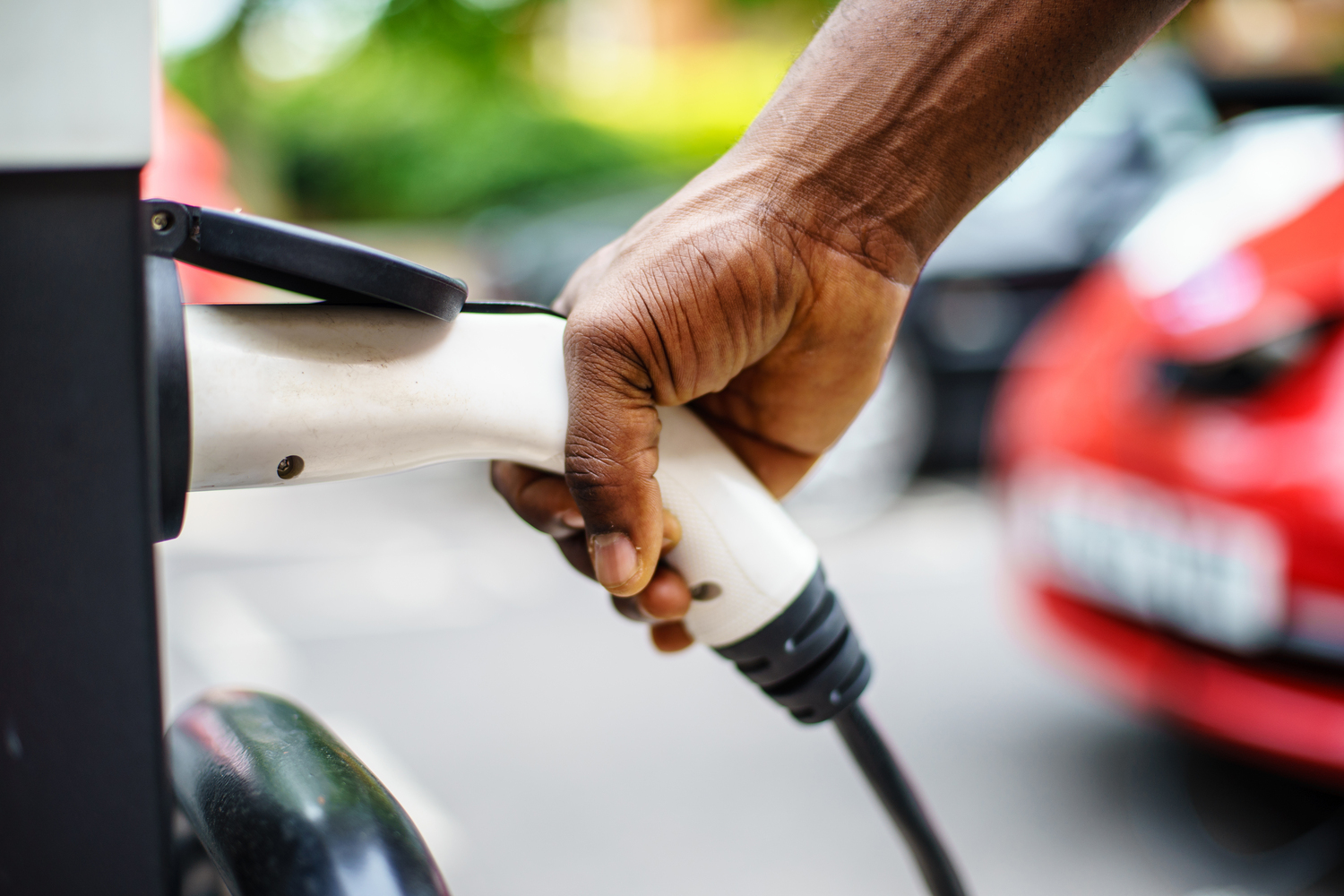
    • All-electric EVs – where the battery is the only power source. The range (distance they can travel) will vary, according to driving style, terrain and the use of auxiliary equipment such as heating/air conditioning.
    • Plug-in Hybrids (PHEVs) -can switch between running on electricity, petrol or diesel. They typically have a smaller battery, and therefore a lower battery powered range of between 10-40 miles. However, their maximum range is equivalent to a petrol or diesel car. Both Plug-in Hybrid and all-electric EVs are recharged by plugging them in to the electricity grid.
    • Hybrids (HEVs) – which do not plug in, such as the Toyota Prius, have a much smaller battery which is recharged while driving. HEVs can drive in electric mode for a few miles and then revert to using petrol or diesel.
    • Fuel Cell Vehicles -generate their own electricity on-board from a fuel such as hydrogen, and do not need to plug in to the electricity grid to recharge. Re-fuelling is similar to a petrol or diesel car.

    Which type of EV is best for me?

    This is a personal choice and will be dependent on several factors including, affordability, the type and distance of journeys you make and charging infrastructure where you live.

    According to a UK Government report, 99% of car journeys in England are under 100 miles, so most could be made by an EV without needing to recharge.

    How much do EVs cost?

    Currently EVs cost more to buy than a comparable petrol or diesel vehicle. While they have fewer mechanical parts than conventional vehicles, battery prices are a substantial cost. Many modern EVs use lithium-ion batteries and it takes a lot of time and effort to turn raw lithium into something that can be used. Some manufacturers offer incentives and lease plans for the battery, so include this is your car purchase research.

    Can I get any help with buying an EV from the Government?

    Yes. The Government’s new Electric Car Grant launched in July 2025 and offers up to £3,750 off the cost of a new electric car, helping more drivers make the switch. The initiative also supports sustainable manufacturing across the automotive sector. The grant is only available for vehicles that have been approved as eligible and the list of cars/vehicles eligible for the grant can be found here: Eligible Grant Vehicles. It’s worth noting that the list is regularly updated and you don’t need to apply for it – your car dealer or manufacturer will handle this for you.

    Will I have to pay road tax (VED)?

    Yes. Since 1 April 2025, EV’s have no longer been exempt from Vehicle Excise Duty (VED) and have to pay an amount dependent on when the car was first registered and the list price, when it was new.

    It is also worth noting that in the recent 2025 Budget, the Government announced that they will start to charge EV and PHEV owners, a “pay-per-mile” charge, from 1 April 2028. The consultation on this change has only just started, so look out for further information on this.

    Vehicle range

    While vehicle range isn’t an issue with hybrids, as they will run on petrol and diesel, in addition to electric, vehicle range has always been a concern for drivers. It’s therefore encouraging to hear that according to the Society of Motor Manufacturers and Traders (SMMT), the average range of a new electric car on sale in the UK today is almost 300 miles. That’s up from 235 miles in 2024. Of course, some of this will be reflective of the driving conditions, roads and the way you drive, plus use of air conditioning and technology within the vehicle.

    Charging points

    The term “range anxiety” describes a very real fear of running out of battery and knowing where to charge it up.

    While you can have a charger fitted at home, clearly there will be times when you need to recharge when out and about.

    The good news is that the number of charging points is increasing. According to Zap Map the number of charging points grows by the day and at the end of October 2025, there were 86,798 electric charging points across 44,142 charging locations (UK only). Since October 2024 the public network has grown by 22%.

    In October 2025, 777 new charging devices were added to the Zap-Map database. You can view local ones to you or your journey at zap map live – you might not have even known they were there!

    What about insuring your EVs

    Do I need specialist insurance?

    The simple answer is no. Whilst you can buy specialist insurance for your EV, most major insurers now cover electric cars.

    Does it cost more to insure an EV?

    This can depend on the EV you choose, but according to wepoweryourcar.com, on average, insurance is more expensive than petrol and diesel vehicles in the UK.

    This could be linked to expensive parts, higher repair costs and the availability of garages with qualified mechanics. While electric cars have fewer moving parts than petrol or diesel vehicles, some components like the lithium-ion batteries are very expensive to repair if damaged.

    Car Insurance from Forces Mutual

    Forces Mutual Car Insurance offers policies for a range of EVs. You don’t need to buy a special EV policy and you can get a quote in the usual way.

    You can either call us on 0151 363 5290 or go online at forcesmutual.org/car

    Forces Mutual Car Insurance is provided by ERS.
    PMGI Limited, trading as Forces Mutual, is authorised and regulated by the Financial Conduct Authority. Financial Services Register No. 114942. Registered in England & Wales No. 1073408. Registered office: Brookfield Court, Selby Road, Leeds, LS25 1NB

     For your security, all telephone calls are recorded and may be monitored.

  • Kit Insurance with the Armed Forces in mind! 

    Kit Insurance with the Armed Forces in mind! 

    This article was published on 25 November 2025. At the time of publishing, this article was true and accurate, however, over time this may have changed. Some links may no longer work. If you have any concerns about this please contact us.

    Serving in the Armed Forces means living a unique lifestyle often moving between bases, deployments, and temporary accommodation. With so much change, protecting your military kit and personal possessions is essential. That’s where Forces Mutual Kit Insurances comes in.

    Why Choose Forces Mutual Kit Insurances?

    Our Kit Insurances are designed specifically for the Armed Forces community, offering peace of mind that your belongings are covered against loss, theft, and accidental damage whether you’re at home, on base, or overseas.

    What’s Covered?

    • Military-Issued Kit
      Accidental loss, damage, or theft of your issued and temporary kit.
    • Personal Possessions
      Cover for laptops, mobiles, and valuables (up to £2,000 per item as standard).
    • Pedal Cycles
      Accidental loss of, accidental damage to or theft of your pedal cycle or electronic pedal cycle.
    • Personal Money
      Up to £500 for loss or theft.
    • Licence to Occupy
      Up to £20,000 for accidental damage to MOD accommodation.
    • Personal Liability
      Cover up to £250,000 Kit Start and £500,000 Kit & Personal Possessions for compensation costs.
    • Worldwide Cover
      Protection wherever your service takes you.

    Who Can Apply?

    • Serving members of HM Forces
    • Civilian staff of the MOD
    • The husband, wife, civil partner of the above

    With prior approval

    • Army Reserve members
    • Contractors employed by the MOD

    Benefits at a Glance

    • Affordable monthly premiums
    • Flexible cover options
    • Quick and easy setup

    Get a Quote Today

    Benefit limits, terms and exclusions apply for both Kit Start and Kit & Personal Possession Insurance, please refer to the IPID and policy documents here

    Both Kit Start and Kit & Personal Possession Insurance are backed by Forces Mutual’s commitment to supporting the Armed Forces community with trusted, affordable insurance.

    Kit & Personal Possessions and Kit Start Insurance is arranged by Motorplus Limited t/a Coplus and underwritten by Collinson Insurance Limited (a trading name of Astrenska Insurance Limited).

    Kit & Personal Possessions Legal Expenses Cover is provided by ARAG plc who is authorised to administer this insurance on behalf of the insurer ARAG Legal Expenses Insurance Company Limited.

  • Stay Road Ready: Winter Driving Advice for Armed Forces Families

    Stay Road Ready: Winter Driving Advice for Armed Forces Families

    This article was published on 24 November 2025. At the time of publishing, this article was true and accurate, however, over time this may have changed. Some links may no longer work. If you have any concerns about this please contact us.

    Winter driving can test even the most experienced drivers — with darker mornings, icy roads, and unpredictable weather. As part of the Armed Forces community, you already understand the importance of being prepared and aware. These reminders are perfect for helping your family stay safe behind the wheel this winter.

    Winter Car Essentials

    A little forward planning can make all the difference during the colder months. Before setting out, take a few moments to make sure your car is ready for winter conditions:

    1. Check fluids and battery

    Inspect your oil, coolant, and screen wash regularly. You should also check your lights as well – cold weather can also drain battery power faster, so ensure yours is fully charged and consider a professional battery test if it’s more than a few years old.

    2. Prepare for frost and ice

    Keep de-icer and an ice scraper in the car — and a spare set in the boot. Avoid using hot/boiling water on windscreens as it can crack the glass.

    3. Inspect your tyres

    Good tyre grip is vital for safe winter driving. Use the 20p coin test: insert the coin into your tyre’s tread grooves — if you can see the coin’s outer band, it’s time for new tyres. When in doubt, get them checked by a professional.

    4. Maintain wipers and screen wash

    Replace worn wipers and use a winter-grade screen wash with anti-freeze protection. You’ll rely on it more frequently during winter, so top it up often.

    5. Pack a winter emergency kit

    Be ready for the unexpected — especially if you’re travelling long distances or to remote areas. A good winter kit should include:

    • A small shovel
    • High-visibility vest and warning triangle
    • Torch and spare batteries
    • Blanket and warm clothing
    • Jump leads
    • First aid kit
    • Don’t forget some snacks or chocolate!

    Many garages offer winter car checks, so don’t hesitate to book one for peace of mind.

    Before you set off

    Preparation is key when driving in winter:

    • Check the weather forecast and road conditions before leaving.
    • Allow extra travel time for delays or poor visibility.
    • Avoid driving when fatigued – plan breaks or share the driving.
    • Keep valuables and gifts out of sight, especially during the festive season.

    Check your breakdown cover

    Breakdowns are more frequent in winter due to cold weather and battery issues. Review your breakdown policy to ensure you have the right level of assistance -particularly if you drive long distances or live in rural areas.

    Car Insurance and Breakdown Cover for the Military Community

    At Forces Mutual, we offer both car insurance and breakdown cover exclusively for serving, retired and veteran members of the Armed Forces, Staff and their families.

    You won’t find us on comparison sites – our services are designed specifically for the military community, with flexible cover and dedicated support.

    Find out more: Visit our website or call 0151 363 5290 for further details.

    Car Insurance is provided by ERS.

    Breakdown Cover (Forces Mutual Rescue) is provided by ERS.

  • Breakdown Basics: Common car problems faced by UK drivers (and how to prevent them)

    Breakdown Basics: Common car problems faced by UK drivers (and how to prevent them)

    This article was published on 03 November 2025. At the time of publishing, this article was true and accurate, however, over time this may have changed. Some links may no longer work. If you have any concerns about this please contact us.

    Whether you’re commuting, driving between bases, or heading home on leave, a vehicle breakdown can happen at any time – day or night, weekday or weekend. While there’s never a good time for your car to stop working, understanding the most common reasons can help you prepare, prevent issues, and get back on the road faster.

    This guide highlights the top causes of breakdowns in the UK and simple steps to reduce the risks – useful for anyone in the Armed Forces community who relies on their car.

    1. Flat or Faulty Batteries

    One of the leading causes of car breakdowns in the UK is a flat or failing battery.

    Causes:

    • Ageing batteries (typically after 3-5 years)
    • Short, infrequent journeys that don’t fully recharge the battery – common for drivers using their car mainly for base-to-home trips

    Prevention Tips:

    • Recharge your battery overnight every few weeks if your journeys are short
    • Replace the battery every 3-5 years, depending on usage

    2. Alternator Failures

    The alternator recharges your battery and powers essential electrical systems.

    Warning Signs:

    • Flickering battery light
    • Dim headlights
    • Slower-than-normal windscreen wipers

     Alternators can’t be maintained, but spotting problems early can save you from being stranded.

    3. Starter Motor Problems

    The starter motor draws power from the battery to start your car.

    Prevention:

    While there’s little you can do to avoid starter motor wear, regular servicing helps catch issues before they worsen – especially before long journeys or deployments.

    4. Tyre and Wheel Damage

    Punctures, blowouts, or other tyre damage are common on UK roads.

    Prevention Tips:

    • Check tyre pressure and tread depth regularly (especially before long journeys)
    • Carry a spare wheel or puncture repair kit
    • Ensure tyres always meet MOT standards

    5. Misfuelling

    Thousands of UK drivers each year put the wrong fuel in their car – most often petrol into diesel, as the nozzle fits easily into a diesel filler neck.

    If you misfuel:

    • Do not start the car
    • Don’t turn the ignition (this primes the fuel pump)
    • Call your breakdown provider or garage for specialist help

    6. Electrical System Faults

    Modern cars have increasingly complex electrics – faults can affect everything from headlights to infotainment.

    Tip: Other than replacing bulbs, leave electrical issues to a qualified mechanic who can run diagnostics safely.

    7. Low Oil Levels

    Running with low oil can cause severe engine damage, even complete failure.

    Prevention Tips:

    • Don’t rely solely on the oil warning light
    • Check oil levels regularly with the dipstick

    8. Lost or Locked-In Keys

    Lost keys or being locked out is a frequent issue. Many modern keys contain chips, making them secure but harder to replace.

    Prevention Tip:

    • Keep a spare key at home or with a trusted family member while you’re away on duty. Alternatively, if stranded call your breakdown provider or special locksmith.

    Breakdown cover that keeps you moving from £61.60 per year.

    Provided by ERS, Forces Mutual Rescue unlike the AA or RAC, doesn’t have a fleet of branded vans, but utilises UK wide recovery specialists to rescue you 24/7 when your car breaks down.

    UK cover comes with:

    • Misfuelling cover
    • Lost keys and lock assistance
    • Home assistance
    • Onward travel provision should your car not be repairable

    Terms & Conditions apply.

    For full policy cover details including any exclusions, please call 0151 363 5290 or visit our website

    Forces Mutual Rescue (Breakdown Cover) is provided by ERS (Syndicate 218 at Lloyds).

    For your security, all telephone calls are recorded and may be monitored.

  • When is the Best Time to Buy a Caravan?

    When is the Best Time to Buy a Caravan?

    This article was published on 27 October 2025. At the time of publishing, this article was true and accurate, however, over time this may have changed. Some links may no longer work. If you have any concerns about this please contact us.

    Investing in a caravan can transform your family holidays and provide years of memorable adventures. However, choosing the right time to make your purchase can significantly impact both the price you pay and the selection available. So, whether you’re considering a touring caravan for exploring the UK or a static caravan for regular getaways, timing matters.

    Best time for touring caravans

    Pre-owned options

    If you’re looking at second-hand touring caravans, the sweet spot is often late winter to early spring. Many owners decide to sell their current caravan to upgrade before the new season begins, creating good availability.

    However, consider starting your search even earlier – during the autumn and winter months. This quieter period typically offers better negotiating power with sellers and lower competition from other buyers. You’ll have ample time to inspect potential purchases thoroughly without the rush of the approaching season.

    Keep in mind that warranties rarely transfer with second-hand purchases, making quality insurance coverage particularly important.

    New touring caravans

    Autumn presents excellent opportunities for new touring caravan purchases. Dealerships often discount previous season’s models from October onwards to clear stock for new arrivals. These end-of-season sales can offer substantial savings, while still securing a brand-new caravan.

    The cooler months also provide the advantage of making rational decisions without the holiday excitement that warmer weather brings.

    Static caravan timing

    Late September through early autumn represents the optimal window for static caravan purchases. As holiday parks prepare to close for winter, both sellers and dealers become more flexible on pricing.

    This timing offers several advantages beyond cost savings. Winter months typically provide better pitch availability, allowing you to secure prime locations within your preferred park. You’ll also have time to properly winterise your new caravan before the harsh weather arrives.

    Understanding ongoing costs

    Holiday parks charge annual site fees, usually reviewed each autumn with increases reflecting inflation. Purchasing before these reviews can secure you nearly a full year at current rates. Some parks may even offer initial fee-free periods as part of negotiations.

    Strategic purchasing advice

    Successful caravan buying requires patience and research. Late-season purchases generally offer the best value, but excellent opportunities can arise throughout the year. Focus on finding a caravan that matches your family’s needs and budget rather than rushing into seasonal deadlines.

    Whatever your timeline, ensure your investment is properly protected with comprehensive caravan insurance from day one. Get your quote online now. 

    Caravan Insurance is provided by Compass Insurance who are a specialist provider of holiday caravan and residential park home insurance, with over 40 year’s experience, so they can help you find the right cover for you.

    Compass Insurance is part of the Bspoke Insurance Group Ltd, which also includes Forces Mutual, so you know you’re in safe hands.