This article was published on 29 June 2026. At the time of publishing, this article was true and accurate, however, over time this may have changed. Some links may no longer work. If you have any concerns about this please contact us.
The housing crisis in the UK is making property ownership increasingly challenging for many, with the average house price exceeding £270,000 in many regions, rising to almost half a million for detached properties.
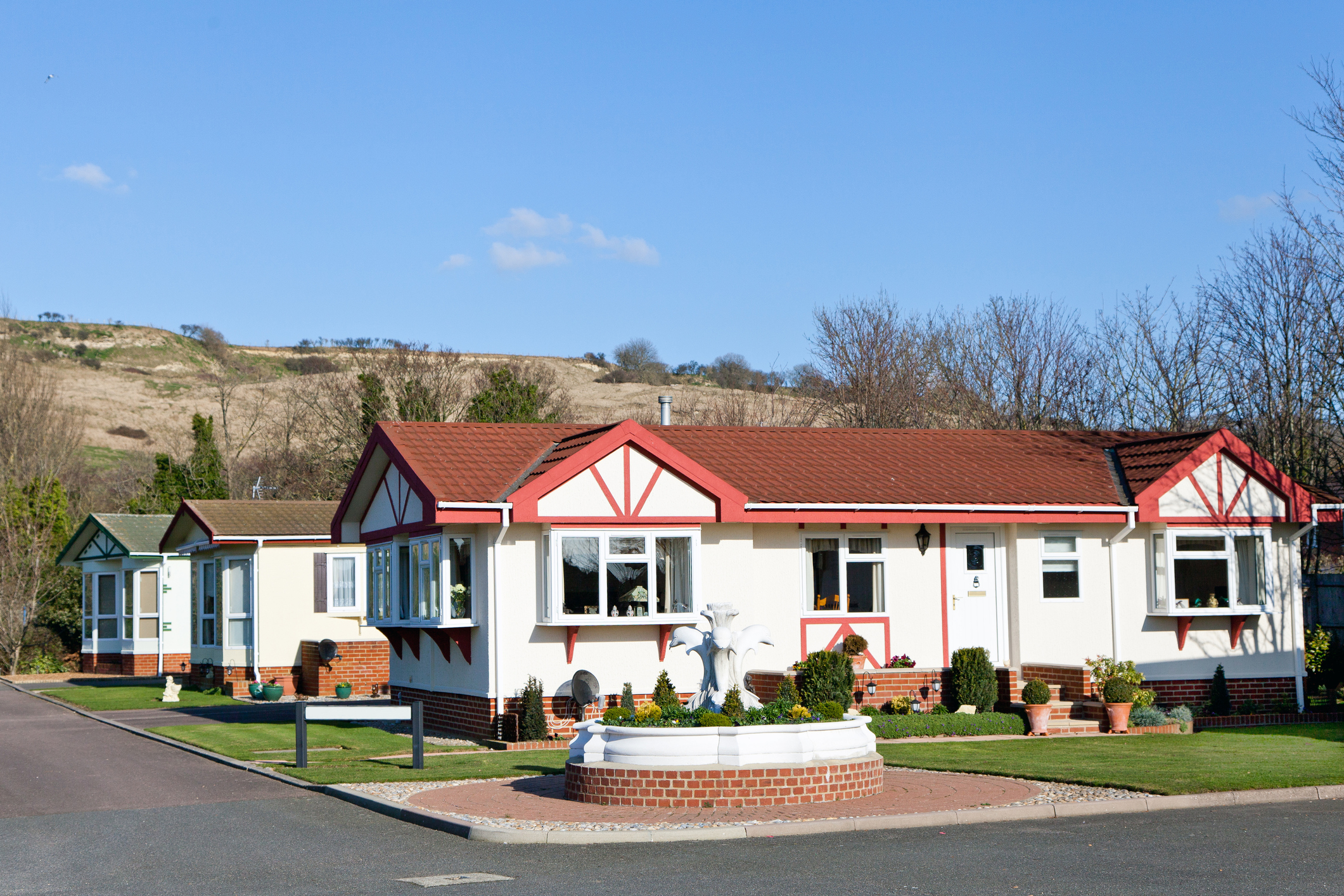
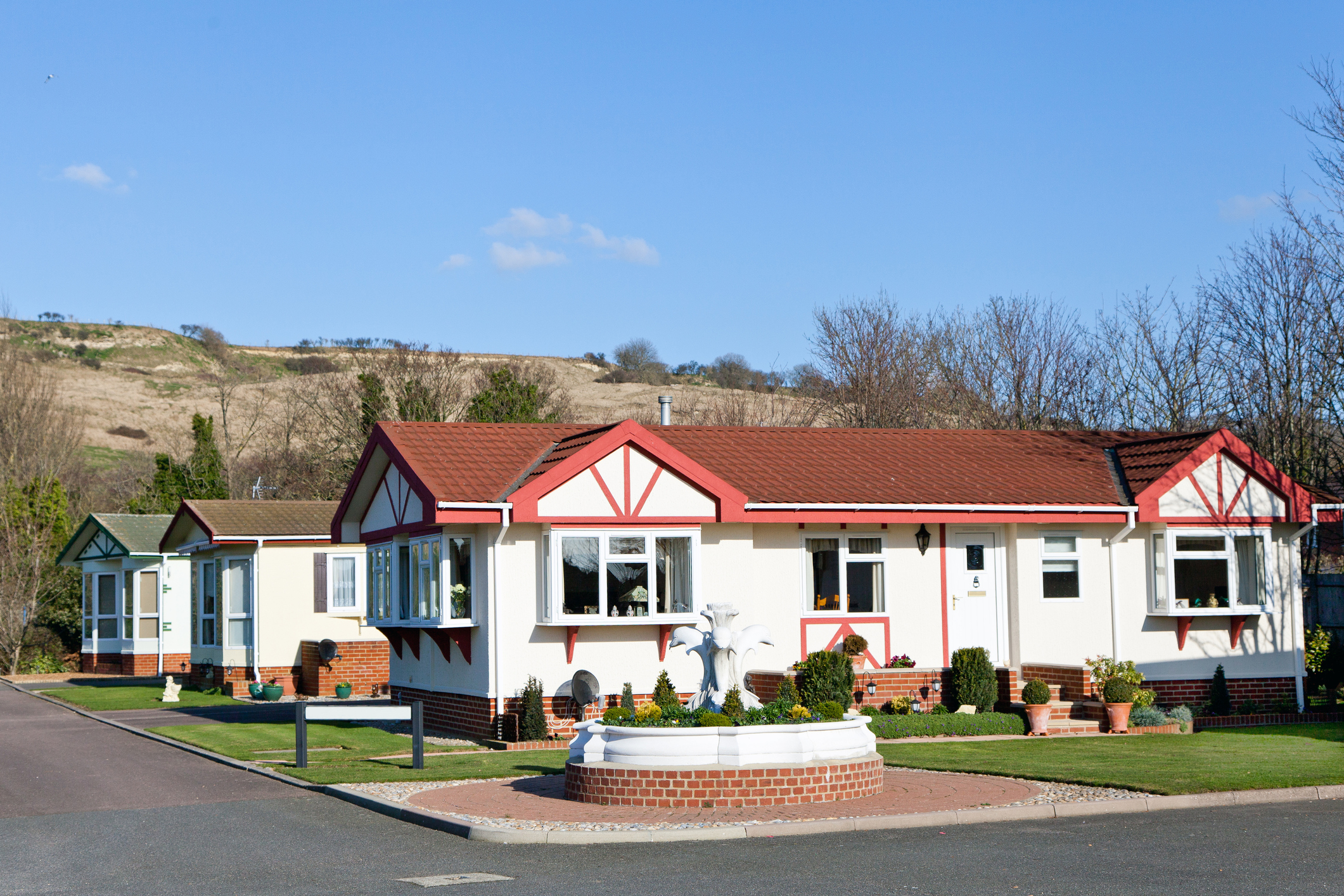
Yet, there’s an attractive alternative making a name for itself due to its genuine financial advantages without compromising on lifestyle quality: park home living.
Who is a park home right for?
Park homes present a compelling case to anyone seeking affordable, quality accommodation without the traditional price tag of a brick-and-mortar property. Whether you’re a first-time buyer frustrated by deposit requirements, a retiree looking to downsize, release equity, and live comfortably, or simply someone seeking financial freedom without sacrificing quality of life, park home living deserves serious consideration.
A park home offers financial benefits across the entire journey, from initial purchase to day-to-day living and the eventual end sale or inheritance.
Upfront savings
The most immediate benefit is the purchase price. The average park home in England costs an average of £144,748, less than 55% the average traditional house price. Such a dramatic difference can be game-changing for many who may have previously struggled to get on the ladder, or those looking to free up some capital.
With a unique tax status, park homes offer further savings in the form of Stamp Duty Land Tax exemption. Park homes are considered movable goods rather than land, so buyers can save thousands of pounds typically payable to HM Revenue and Customs when purchasing a traditional property.
Ongoing cost reductions
Once you’ve purchased a park home, further financial savings accumulate throughout your time in the property due to its (commonly) lower-cost council tax band and reduced running costs. Modern park homes are built to strict British Standards (BS3632), ensuring efficient design and construction that minimises heating and cooling requirements, and park home insurance is often priced much lower than a traditional home insurance policy.
Lower council tax payments, cheaper utility bills, more affordable insurance premiums, and reduced maintenance costs due to a smaller square footage, create a cost advantage that compounds significantly over time.
Government support and grants
There are various financial assistance schemes supported by the government, available to eligible park home residents:
- The Park Homes Warm Home Discount scheme: protects park home owners with the energy price cap, or can provide £150 annually towards energy bills for those who pay their park for energy rather than using a direct mains supply.
- Warm Homes Plan: provides up to £15,000 per property for energy performance upgrades, and a further £15,000 for low-carbon heating installations (running until 2030).
- Lower-income support: eligible park home owners can benefit from a council tax reduction, housing benefit to assist with pitch fees, and discretionary housing payments to support genuine financial hardship.
For eligible residents, these schemes can make a significant difference to the cost of living in a park home.
Long-term financial planning
Despite their lower entry prices, park homes have demonstrated impressive capital growth. Research reported park homes having a 6.7% appreciation over six months, with average prices raising by approximately £9,000. This growth vastly outpaced that of traditional housing in the same period, proving that a park home’s affordability does not sacrifice investment potential.
For elderly owners, it’s worth noting that park homes can sometimes be excluded from local authority financial assessments when determining care home funding obligations. While this is not guaranteed, and those interested in learning more should seek specialist advice, the possibility of retaining your property even after moving into a care home can represent significant financial value, making a meaningful difference to estate planning and long-term financial security.
The complete financial picture
While it can potentially come with a range of financial perks, park home living isn’t entirely cost-free. Regular pitch fees are payable to the park owner, contributing to the cost of maintaining communal areas and facilities. These fees are liable to rise, however, statutory controls prevent unlimited or unjust increases. Another cost to be aware of is commission payable to the park owner when selling your park home. Again, this is regulated by law, ensuring the charges remain reasonable.
Making a wise decision
Park home living offers a genuine pathway to improved financial wellbeing, but it isn’t automatically right for everyone. Location preferences, lifestyle choices, and family needs all play a part, so research parks carefully and confirm any associated costs before making a purchase. Ensure the park provides your rights and obligations in the form of a written statement.
Equally important is securing appropriate park home insurance; a home is a home, and if you purchased a bricks-and-mortar house, you’d insure it for maximum protection. A park home is no different. However, a park home will not be covered by a standard home insurance policy, so find specialist cover designed specifically for park homes to ensure your investment is suitably protected.
For those seeking affordable, quality accommodation while achieving greater financial security and freedom, park home living deserves serious consideration.
Looking for Residential Park Home Insurance?
Forces Mutual are pleased to introduce Compass Insurance who are a specialist provider of holiday caravan and residential park home insurance, with over 50 years’ experience, so they can help you find the right cover for you.
Compass Insurance is part of the Bspoke Insurance Group Ltd, which also includes Forces Mutual.
Opinions expressed in this article are that of Compass Insurance, based on our expert view of the market dynamics, unless specific additional source(s) is/are listed.